Before the DVR, There Was the Ad Pod: What the Commercials Between Your TNT Episodes Say About You
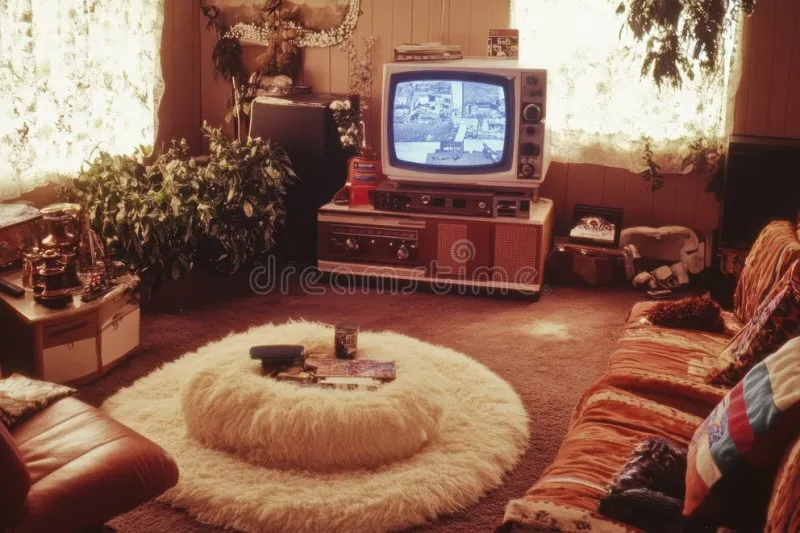
Photo: vintage 1990s living room television with remote control, nostalgic, via thumbs.dreamstime.com
Here's the thing nobody tells you when a show moves to streaming: you lose the episodes you skipped but you also lose the ones you sat through. The commercials. The ad pods. The weird little museum of a given year that played between act two and act three of your favorite TNT drama.
Those breaks are gone now, scrubbed from existence like they never happened. But if you remember them, you remember exactly when you became a fan. So pour one out for the deleted scenes of television — the ads — and let's reconstruct what was playing when you were watching.
The Late-'90s Pod: Phones With Antennas and Confidence
If your first TNT memory involves a flip-phone commercial, a mortgage refinancing spot, and the early rumblings of the dot-com boom, congratulations: you were there for the network's cable Western and classic movie era, right before it figured out what it wanted to be when it grew up.
The ads from this stretch were aimed at a household audience — minivans, long-distance calling plans (ten cents a minute, what a deal), and the very first banner ads for things called "internet service providers." The network itself was still positioning as comfort TV. Nobody was bingeing anything. You watched what was on because it was on.
Your fan era diagnosis: The Founding Viewer. You've been loyal longer than the network has had a slogan.
The Early-2000s Pod: Trucks, Trial Size, and the Rise of "We Know Drama"
This is when the ad pods got a personality. TNT rebranded around drama, and the commercials followed: testosterone-forward truck ads, beer spots shot like mini action films, and — the crown jewel of the era — the theatrical movie trailer, back when trailers debuted on TV first and you'd actually cheer.
If you remember an ad pod that was roughly 40% pharmaceutical (ask your doctor), 30% pickup trucks, and 30% promos for the network's own next big premiere, you were watching during the golden runway into the 2008 golden era. The audience being sold to you was: adults with disposable income who take things seriously. Which, fair.
Your fan era diagnosis: The Golden Runway Viewer. You caught the network mid-transformation and stayed for the landing.
The Peak Drama Pod: DVRs, Fantasy Football, and Movie Trailers as Content
By the late 2000s and early 2010s, the ad pods were an ecosystem. Fantasy football promos. SUV ads with snow. That one insurance mascot everyone in the room had an opinion about. And the countdown clocks — TNT was a pioneer of the "back in 60 seconds" bug, which meant you knew exactly how long you had to run to the kitchen.
The tell here is that the ads started talking to you specifically, or at least to the demographic the network had decided you were. Sports-adjacent dramas meant sports-adjacent advertising. If you remember checking a fantasy lineup during a commercial break, you know exactly who you are.
Your fan era diagnosis: The Peak-Drama Devotee. You watched live, ads and all, and you're weirdly proud of it.
The Streaming Crossover Pod: Fewer Ads, More Reminders
The most recent era's ad pods were shorter, louder, and increasingly self-referential — promos for the streaming service where you could also watch this show, ads for shows on other networks, the whole television-industry snake eating its tail. The commercial break became a reminder that the commercial break was dying.
Your fan era diagnosis: The Bridge Generation. You watched live but you were already queued up on the app. Historians will study you.
Why This Matters (Beyond the Nostalgia Hit)
There's a real reason to care about ad pods, even as a casual exercise: they're the most honest record of who a network thought was watching. Episode scripts tell you what the creators intended. Commercials tell you who was paying the bills. Put them together and you get the full portrait of a moment in American TV culture — what we drove, what we worried about, what we were being promised.
So here's your homework, and it's the fun kind: next time you fire up a rewatch, try to place the episode. Not by plot — by pod. What was selling during that break? What year does it smell like? That's a time machine no streaming platform can take away from you.
And if you're feeling brave, drop your fan era diagnosis in the comments. The Founding Viewers and the Bridge Generation have a lot to argue about.